
Pruning Cycles and Their Importance for Shade, Ornamental, and Fruit Trees in Manitoba
Updated: Apr 6
Pruning is a vital part of tree care. It helps maintain tree health, safety, and appearance. Knowing when and how to prune different types of trees can make a big difference. In Manitoba, where the climate can be harsh, proper pruning cycles are essential for trees to thrive. I will share practical advice on pruning shade trees, ornamental trees, and fruit trees. This guide will help you understand the importance of pruning and how to do it right.
Why Pruning Matters for Trees
Pruning is more than just cutting branches. It shapes the tree, removes dead or diseased wood, and improves air circulation. This reduces the risk of pests and diseases. Pruning also helps prevent damage during storms by removing weak branches. For fruit trees, pruning encourages better fruit production and quality.
Regular pruning cycles keep trees healthy and safe. Neglecting pruning can lead to overgrown branches that block light or interfere with power lines. It can also cause structural problems that make trees prone to breaking. Proper pruning extends the life of your trees and enhances your property’s value.
Benefits of Pruning
Removes dead, damaged, or diseased branches
Improves tree structure and strength
Increases sunlight and air flow inside the canopy
Enhances fruit yield and quality for fruit trees
Reduces risk of storm damage
Maintains desired shape and size
Prevents interference with buildings and utilities

Understanding Pruning Cycles for Different Tree Types
Each type of tree has its own pruning needs and timing. Shade trees, ornamental trees, and fruit trees respond differently to pruning. Knowing the right pruning cycle for each helps avoid stress and damage.
Shade Trees
Shade trees are usually large and provide cooling shade in summer. Common species in Manitoba include maples, oaks, and elms. These trees benefit from pruning every 3 to 5 years. The goal is to remove dead or weak branches and maintain a strong structure.
The best time to prune shade trees is late winter or early spring before new growth starts. This timing reduces sap loss and risk of disease. Avoid heavy pruning in late summer or fall, as it can stimulate new growth that won’t harden before winter.
Ornamental Trees
Ornamental trees are grown for their beauty. Examples include crabapples, dogwoods, and flowering cherries. These trees often need more frequent pruning, about every 1 to 3 years, to maintain shape and encourage flowering.
Prune ornamental trees in late winter or early spring. For species that bloom on old wood, prune right after flowering to avoid cutting off next year’s buds. Light pruning can also be done in summer to remove unwanted growth.
Fruit Trees
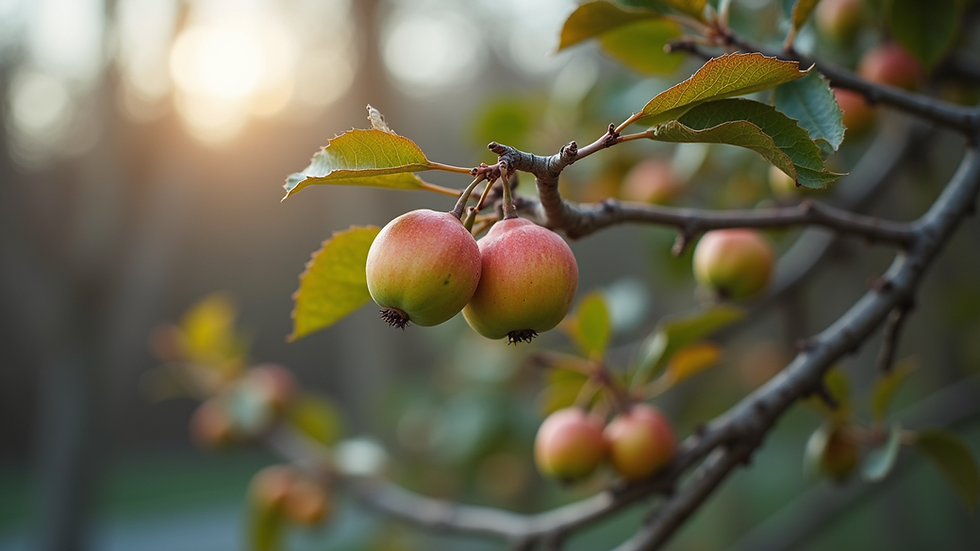
Fruit trees require the most careful pruning. Apple, pear, and cherry trees need annual pruning to maximize fruit production and keep the tree healthy. Pruning helps open the canopy to sunlight and air, which reduces disease and improves fruit quality.
The best time to prune fruit trees is late winter while the tree is dormant. Avoid pruning in fall or early winter, as this can invite pests and diseases. Summer pruning can be done to control size and remove water sprouts.
How to Prune Shade Trees, Ornamental Trees, and Fruit Trees
Pruning techniques vary by tree type and purpose. Here are some practical tips for each.
Pruning Shade Trees
Remove dead, diseased, or broken branches first.
Cut branches that cross or rub against each other.
Thin the canopy to improve air flow but avoid removing more than 25% of live branches at once.
Use proper cuts just outside the branch collar to promote healing.
Avoid topping or cutting large branches flush with the trunk.
Pruning Ornamental Trees
Focus on maintaining the natural shape.
Remove any dead or damaged branches.
For flowering trees, prune after blooming if they flower on old wood.
Thin crowded branches to allow light and air inside.
Use sharp tools to make clean cuts.
Pruning Fruit Trees
Remove suckers and water sprouts (vigorous vertical shoots).
Open the center of the tree to sunlight by thinning branches.
Cut back last year’s growth to encourage fruiting spurs.
Remove any dead or diseased wood.
Keep the tree balanced and manageable in size.
Tools and Safety Tips for Pruning
Using the right tools makes pruning easier and safer. Here are the essentials:
Hand pruners for small branches up to ¾ inch
Loppers for branches up to 2 inches
Pruning saw for larger branches
Protective gloves and safety glasses
Ladder for reaching higher branches
Always disinfect tools between cuts to prevent spreading disease. Make clean cuts to help the tree heal faster. If a branch is too large or near power lines, call a professional arborist.
Timing and Seasonal Considerations in Manitoba
Manitoba’s cold winters and short growing season affect pruning schedules. Late winter pruning is ideal because trees are dormant and less vulnerable. This timing also allows wounds to heal before spring growth.
Avoid pruning during extreme cold or when the ground is frozen hard. Pruning in early spring just before bud break is best for most trees. Summer pruning can be done lightly to control growth but avoid heavy cuts.
For fruit trees, pruning in late winter is critical to maximize fruit production. Shade and ornamental trees can tolerate pruning every few years during the dormant season.
Final Thoughts on Pruning for Healthy Trees
Pruning is a key part of tree care that benefits tree health, safety, and beauty. Understanding the pruning cycles for shade, ornamental, and fruit trees helps you make the right cuts at the right time. Regular pruning keeps trees strong and productive.
If you want to ensure your trees get the best care, consider hiring a professional arborist. They have the knowledge and tools to prune safely and effectively. Terra Nova Tree Service aims to be the trusted, go-to arborist service in Winnipeg and surrounding Manitoba areas, growing its reputation for safe, efficient, and comprehensive tree care while expanding its client base through quality work and reliable service.
Taking care of your trees with proper pruning cycles will keep your landscape healthy and vibrant for years to come.
Additional Resources for Tree Care
To further enhance your understanding of tree care, consider exploring these resources:
Local Arborist Associations: They often provide workshops and seminars on tree care.
Online Forums: Join discussions with other homeowners and tree care enthusiasts.
Books on Arboriculture: Look for titles that focus on tree species native to Manitoba.
By educating yourself, you can make informed decisions about your trees. Remember, healthy trees contribute to a beautiful landscape and increase property value.
For more information on tree care, visit Terra Nova Tree Service.
Embrace the art of pruning and enjoy the benefits it brings to your trees and property. Regular maintenance will ensure your trees thrive for generations.


Comments